Community Care Sessions
Therapy sessions led by graduate-level clinicians completing supervised practicum hours at Soul Purpose, guided every step by our licensed clinical team.
What Are Community Care Sessions?
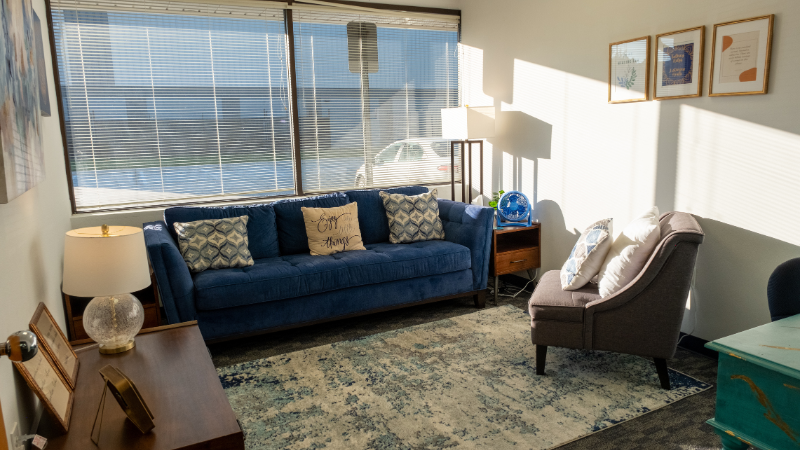
Community Care Sessions are led by clinicians completing supervised practicum or internship hours at Soul Purpose Counseling. It's a space to begin your healing journey while supporting the next generation of thoughtful, well-trained providers.
A few reasons clients choose to work with our clinicians-in-training:
Evidence-based care. Trained in current approaches like CBT, DBT, motivational interviewing, and solution-focused therapy.
More focused attention. Smaller caseloads mean more time and energy dedicated to you.
Fresh perspective. Genuine enthusiasm and up-to-date training for the work.
Guided supervision. Every session is guided by ongoing supervision from our licensed clinical team.
Begins December 1st 2026
What to Expect?
Your First Session
A welcoming intake appointment where we get to know you, your history, and what brings you to therapy, so we can build a plan around your needs.
Supervised Care
Every session is guided by ongoing supervision from our licensed clinical team, using approaches like CBT, DBT, and solution-focused therapy.
Session Details
55 minute sessions, held as frequent as needed, available both virtually and in-person to fit your schedule.
Community Pricing
2026 Post-Master's Practicum Student
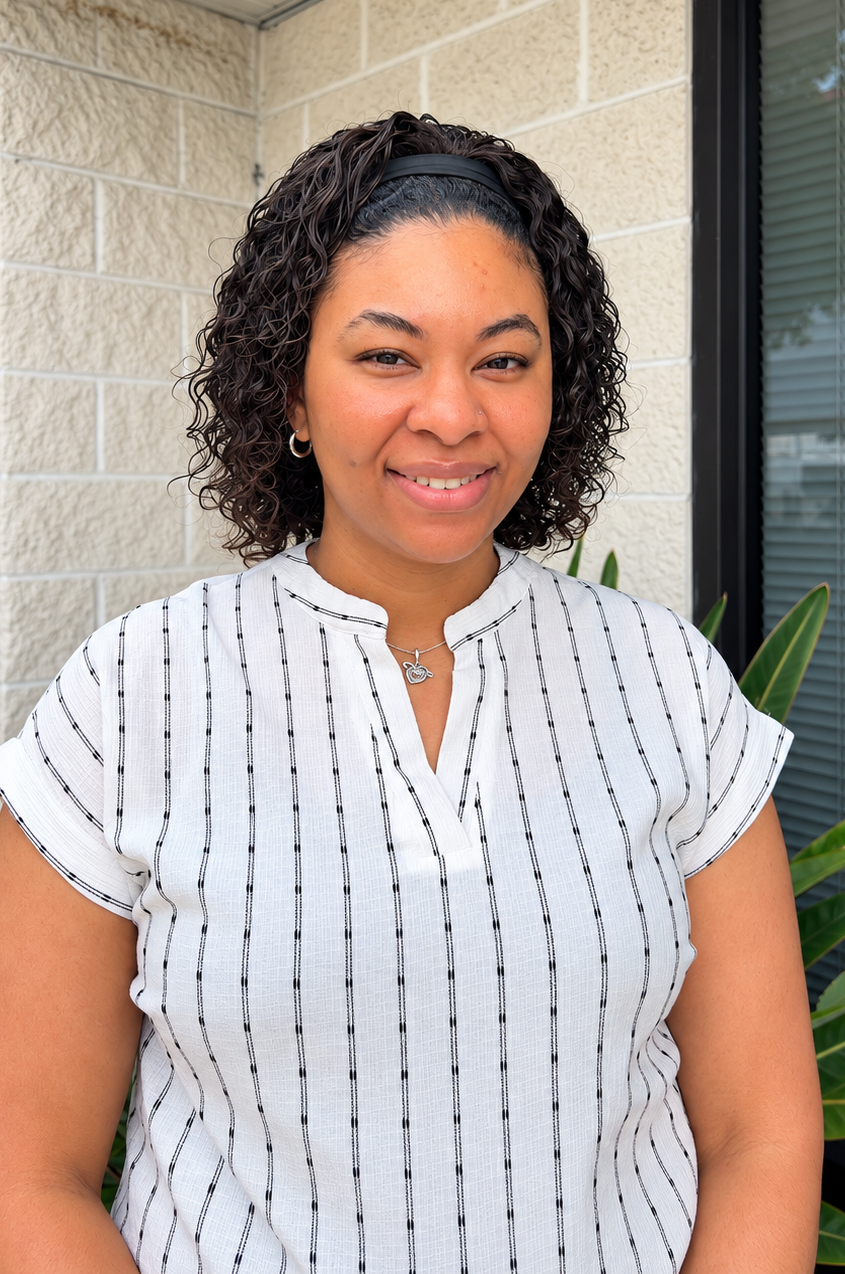
Meet LeShaye
LeShaye Lindo-Murray believes therapy should feel supportive, respectful, and genuine, a space where clients can speak openly without feeling judged or rushed. She's a Family Nurse Practitioner currently pursuing her Post-Master's Psychiatric Mental Health Nurse Practitioner certification at Walden University, and she's completing a 160-hour psychotherapy practicum at Soul Purpose. LeShaye has a particular interest in supporting adults through grief, loneliness, anxiety, and major life transitions, especially older adults adjusting to loss of independence.